
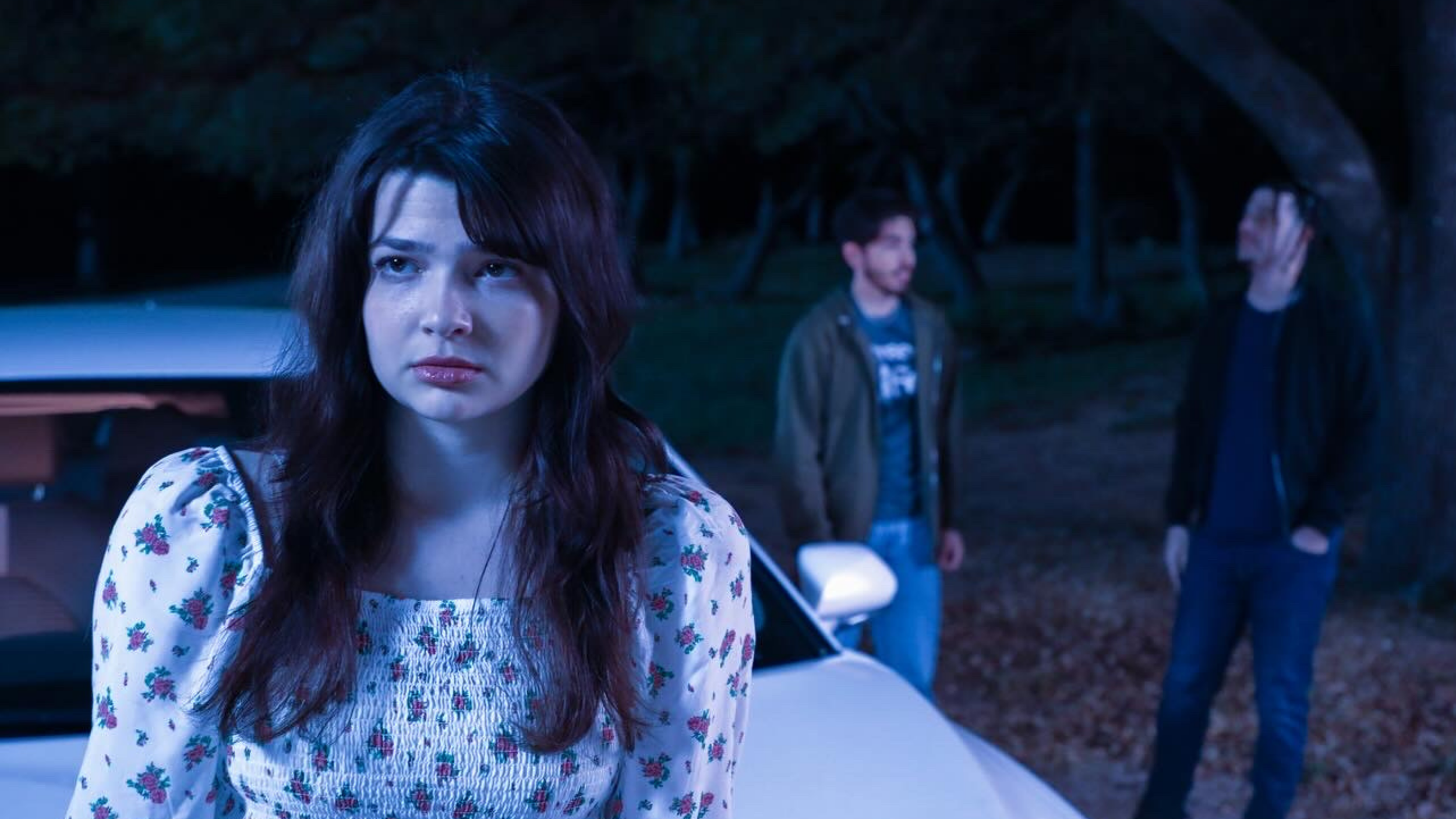
The Making of “This is Trafficking”
Human trafficking is often misunderstood.
Many people believe it happens somewhere else, to someone else, under circumstances that are easy to recognize. The reality is far more complex. Trafficking frequently exists in plain sight, hidden behind relationships, vulnerabilities, coercion, manipulation, and circumstances that most people have never been taught to recognize.
That is why the Dear Anybody campaign was created.
Written and directed by a career commercial filmmaker, Adam Stielstra, the campaign emerged from more than a year of conversations, interviews, and relationship-building with over 40 individuals across the United States who have lived experience of trafficking, exploitation, intervention, recovery, prevention, and survivor support.
The films are not documentaries. They are dramatizations based on verified accounts and recurring patterns identified by those closest to the issue. Some stories include elements of intervention that have been incorporated to help audiences understand how awareness and informed action can change outcomes.
The campaign does not ask people to become rescuers, investigators, or vigilantes. Instead, it encourages people to learn the signs, understand vulnerabilities, recognize risk factors, and become more aware of what may be happening within their own communities, workplaces, schools, sports programs, faith communities, and social networks.
Because awareness alone is not enough. These films are designed to start the conversation.
Film #1: Storage Units
This story is based on a real account involving children being trafficked and recovered in storage units through law enforcement intervention. Further interviews verified these operations with multiple recent sting applications. The rescue was condensed for a short film. While rescues do happen, they are rare. Many people leave exploitation through long-term support, trust, and recovery. Here, the actor playing the child breaks the fourth wall and says “This is trafficking.” In real situations, people who have experienced exploitation may not be able to immediately understand what has happened to them or have words to describe it. Confusion, loyalty, fear, shame, and trauma can make it difficult to recognize trafficking and exploitation, even after it has occurred.
Film #2: Romeo
This story is based on a real trafficking account and pattern sometimes called the "boyfriend" or "Romeo" method. Trust, affection, and emotional connection are often used before control and exploitation begin. The screaming and intervention were added to communicate danger quickly. In reality, many people do not recognize exploitation while it is happening. Some freeze, some comply, and some continue to believe the relationship is real. There is no single response to trauma, and interventions are rare.
Film #3: Photographer
This story reflects a real situation where exploitation was hidden behind trust, authority, family involvement, opportunity, and promises of success. For this child, the "opportunity", professional photography, was the trafficking itself. What began as staged photoshoots was actually the production and distribution of exploitative imagery, used by a trusted family member to trade, control, and commodify the child. This highlights the misconception that trafficking is limited to physical abduction by strangers. In reality, trafficking is frequently the exploitation of a child’s image and labor by people they trust. Whether it is coerced photography or controlled appearances, it is a crime of ownership and power.
The events were simplified to communicate the situation quickly. In reality, exploitation often develops gradually and may be difficult to recognize while it is happening, especially when trust, family relationships, or dependency are involved.
Film #4: Grooming
Online grooming often begins through ordinary conversations, emotional connection, secrecy, and trust-building over time. The warning signs were compressed into a short timeframe. In reality, grooming often develops gradually and is rarely identified. Many warning signs appear normal at first, which is why they are frequently missed. Missing the signs does not mean someone failed. Awareness and education help make the hidden visible.
A Different Kind of Campaign
Dear Anybody is more than a collection of public service announcements.
It is an invitation.
An invitation to see what is often overlooked.
To understand what is often misunderstood.
To learn without judgment.
To engage without fear.
And to become part of a growing movement of ordinary people working together to reduce vulnerability, increase awareness, support survivors through existing service providers, and help create communities where exploitation finds fewer places to hide.